
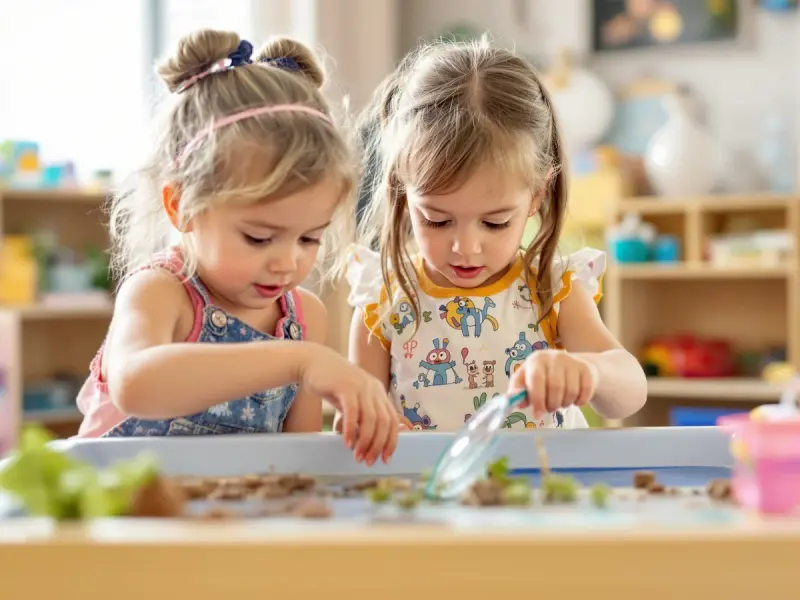
Our Montessori Method
Discover how the philosophy comes alive in our prepared classrooms.
Pick the monthly plan that fits. Your website build is included — we'll take it from there.
We run your website for you.
We run your front desk for you.
We run your front office for you.
You'll be taken to secure card checkout (Stripe) for your monthly plan — your website build is included. Texting switches on once the carriers approve your registration, usually 1–2 weeks. See everything in each plan →
Online checkout isn't available right now, so we'll reach out shortly with your secure payment link and launch timeline.
Your full site build is underway. Watch your email for your owner-portal invite and launch timeline — we'll take it from here.

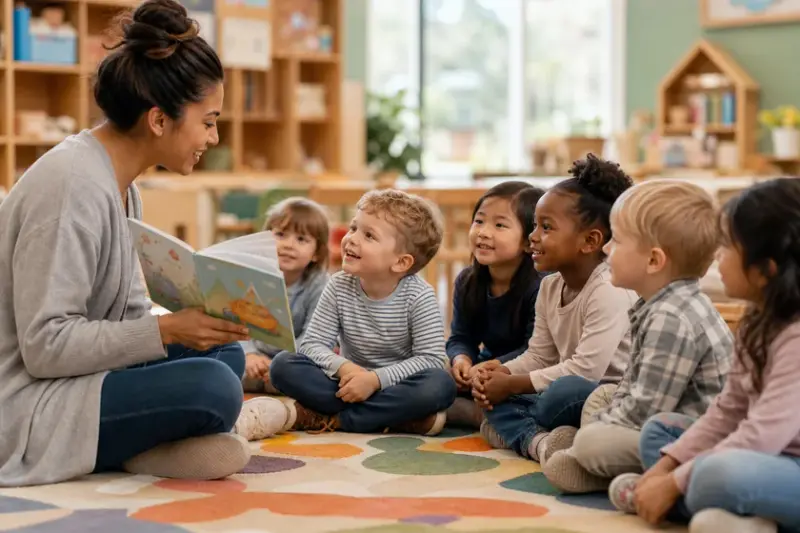
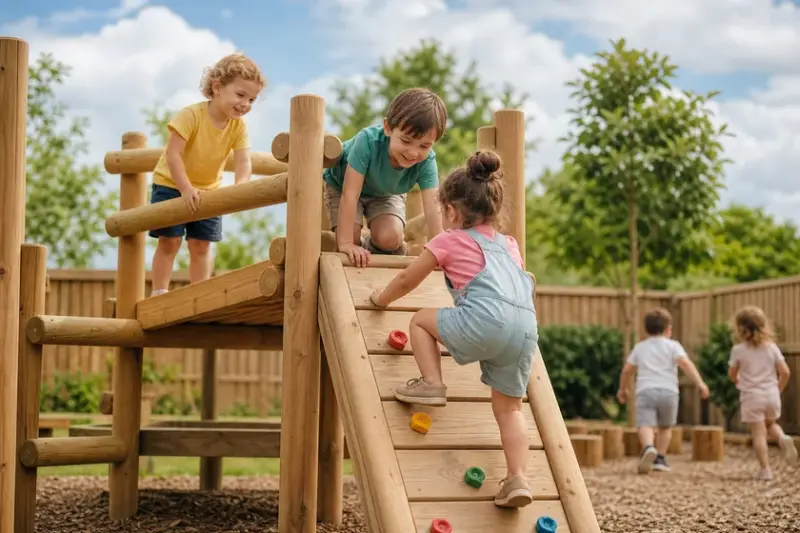
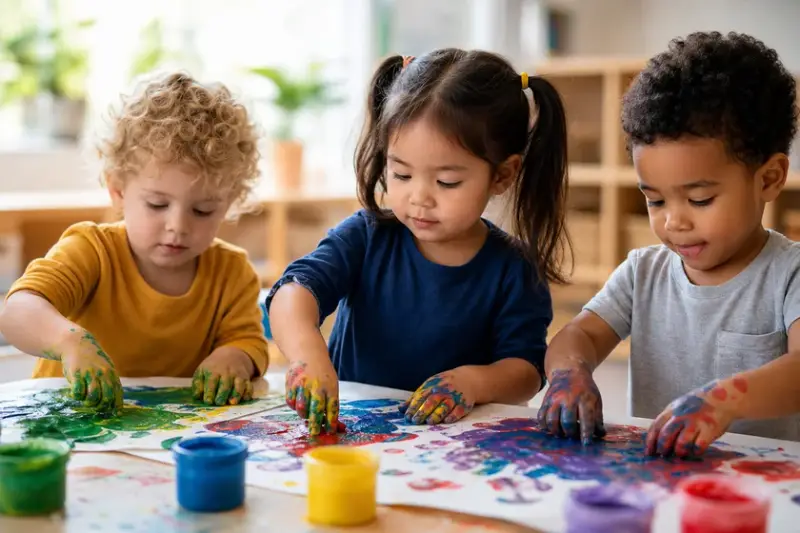
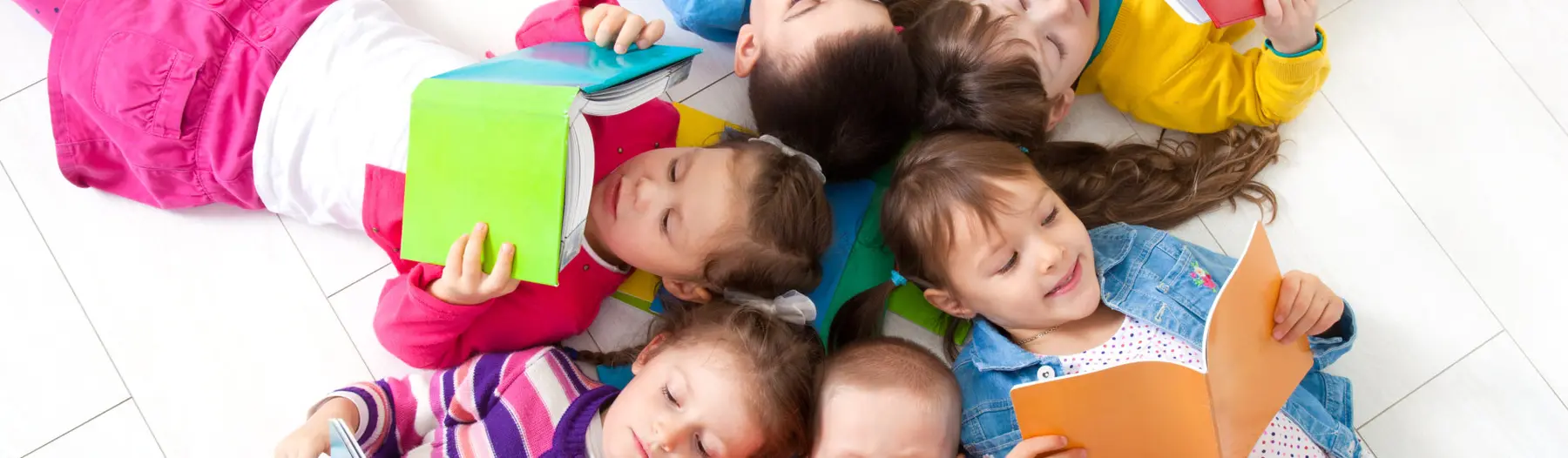
Favorite moments from school events and enrichment trips are gathered here.
“An education capable of saving humanity is no small undertaking; it involves the spiritual development of man, the enhancement of his value as an individual, and the preparation of young people to understand the times in which they live.” — Maria Montessori, Education & Peace
Maria Montessori believed the educational system of her day needed reform. Her goal was to develop the whole personality of the child, and her method grew from a strong belief in the spontaneous working of the human intellect. Its three primary principles are observation, individual liberty, and preparation of the environment — principles that now echo in individualized learning, readiness programs, manipulative learning, combined age groups, team teaching, and open classrooms.
Parents want their children to be safe and secure in an environment that meets academic, social, physical, and emotional needs. A Montessori environment does that and more: it teaches life skills such as perseverance, follow-through, organization, and self-discipline. Those habits, instilled early, can resonate through a child’s whole life — making Montessori not only an academic curriculum but an education as an aid to life.
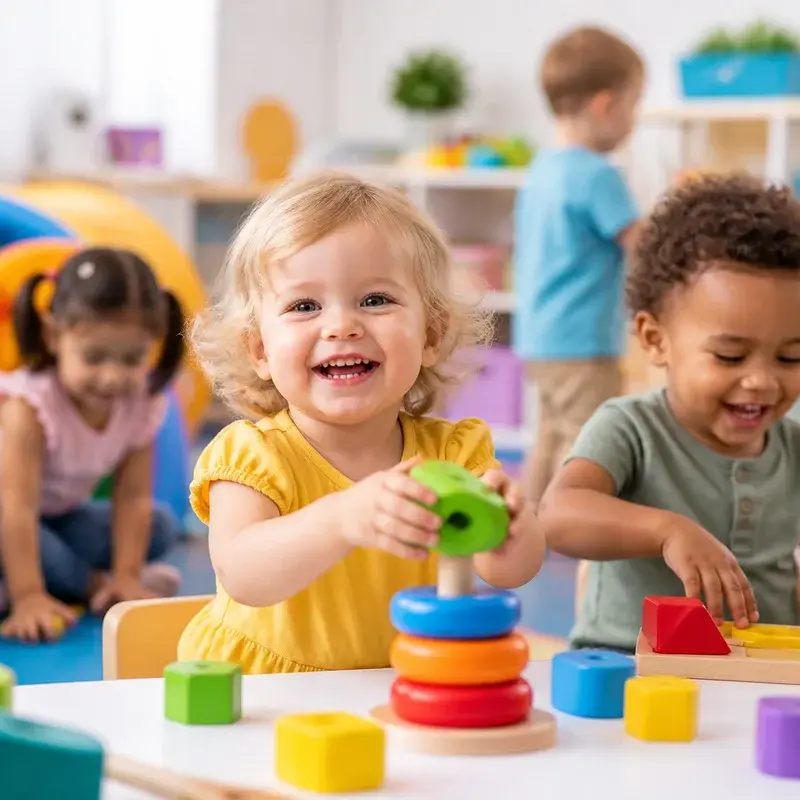
Dr. Maria Montessori was a medical doctor, a psychology student, and a professor of anthropology. Through patient observation and meticulous study of children at each developmental stage, she built a method and materials that have endured for over 100 years in cultures around the world — and are now promoted by noted educators and scientists.
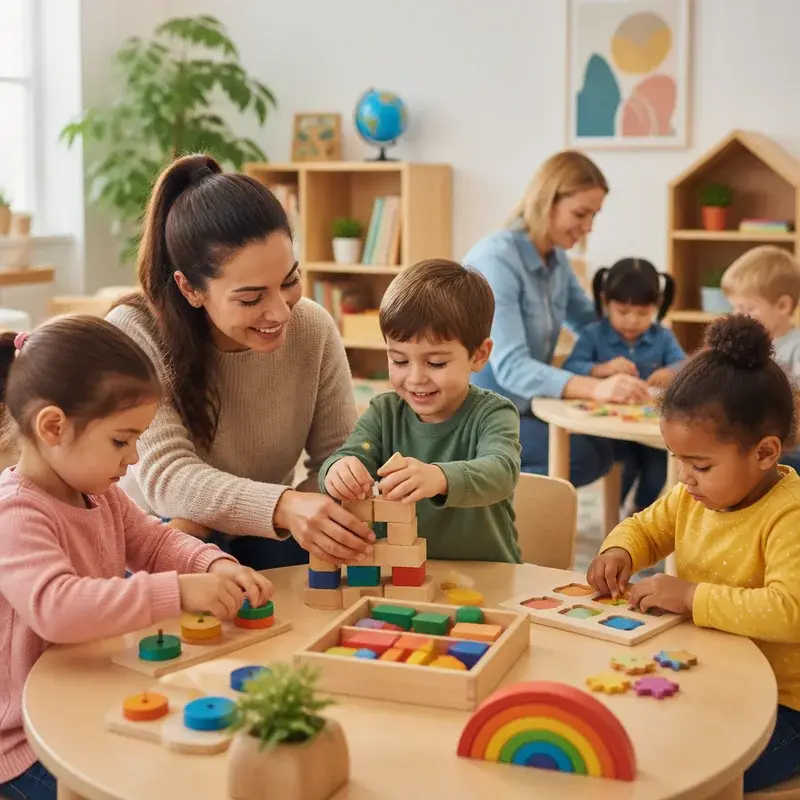
Montessori emphasizes concrete, hands-on learning over abstract lessons. Children work with activities that teach language, math, culture, and practical life, giving them real and purposeful work that builds concentration and helps them stay on task until skills are properly mastered.
Montessori recognized that young children love order and intellectual work, and that they can pursue it with profound joy. From an early age, students develop order, coordination, concentration, and independence through thoughtfully designed classrooms, materials, and consistent daily routines — supporting self-reliance and self-confidence.
The method honors the child’s need to learn by doing. During what Montessori called “sensitive periods,” children absorb knowledge readily, and when given maximum spontaneity they can reach high levels of scholastic attainment. Because children work for the joy of the work, they focus on process — a natural path to creativity.
Montessori classrooms do not rely on rewards or punishments. Instead, children develop active discipline from within as they concentrate on enticing, self-chosen work. Their curiosity and active minds are stimulated constructively, and completing a task brings feelings of pride and accomplishment — the child works for self-worth and joy, not stickers or stamps.
The approach shows profound respect for the child’s personality and allows room to grow in independence. Children enjoy a large measure of liberty within classroom limits and parameters, learning to handle themselves responsibly — and that internal satisfaction fuels curiosity and lasting, joyous learning.
Each child is valued as a unique individual. Teachers guide each child individually in each subject, so every student works at their own pace — the quick child is not held back, and a child who needs more time is not left floundering. Each new concept is well and truly laid before the next is added.
Multi-age classrooms create a close-knit, caring community that recreates a family structure. Older children gain stature as mentors and role models, reinforcing their own skills by helping younger children, while younger children feel supported and gain confidence about challenges ahead. It is a non-competitive environment where each child’s individual skills are respected.
Discover how the philosophy comes alive in our prepared classrooms.
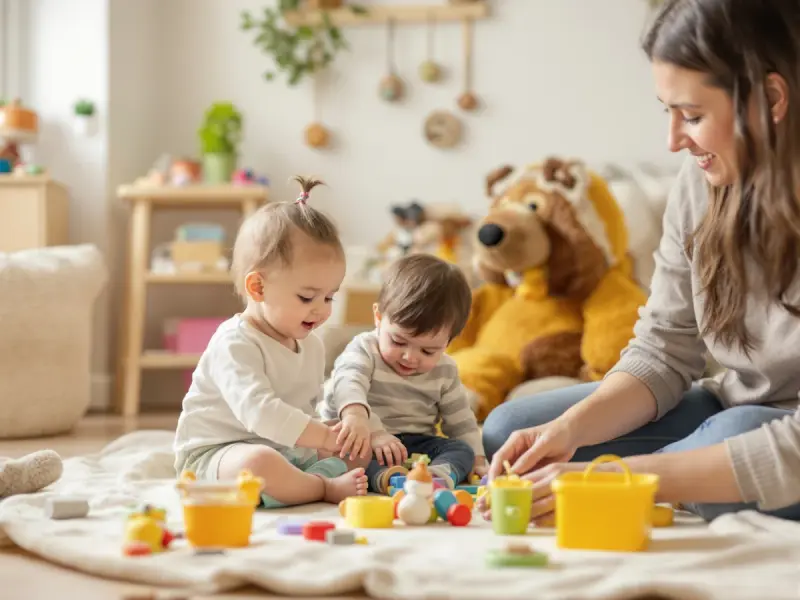
Find out how to join our school community.
We’d love to hear from you and answer your questions.
Photos capture moments; a visit shows you the warmth and purpose of our Montessori days.
Schedule a Tour