
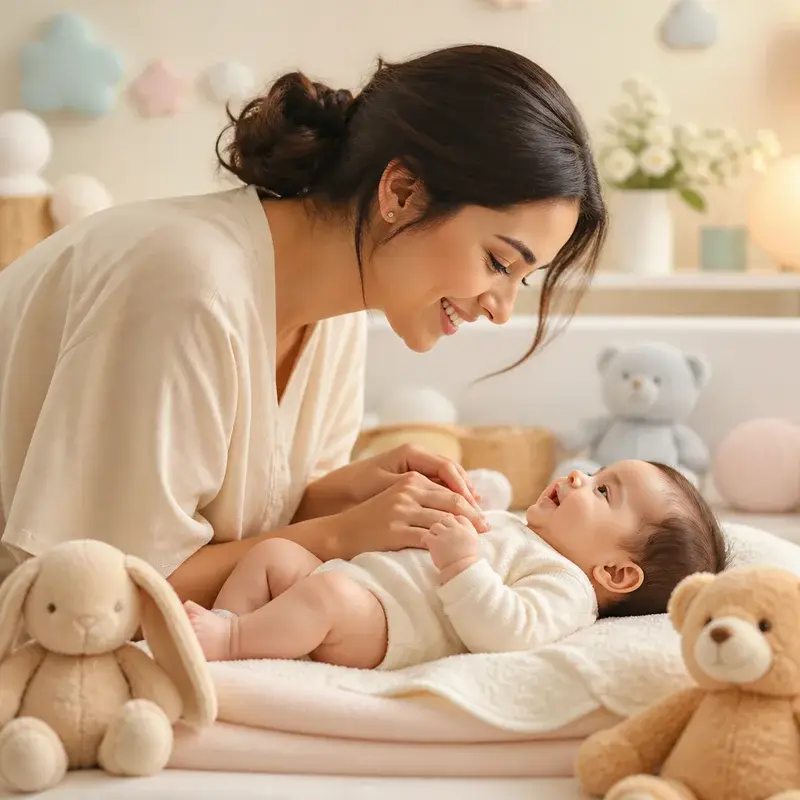
Take a Closer Look at the Classrooms
See how the prepared classroom supports independence.
Pick the monthly plan that fits. Your website build is included — we'll take it from there.
We run your website for you.
We run your front desk for you.
We run your front office for you.
You'll be taken to secure card checkout (Stripe) for your monthly plan — your website build is included. Texting switches on once the carriers approve your registration, usually 1–2 weeks. See everything in each plan →
Online checkout isn't available right now, so we'll reach out shortly with your secure payment link and launch timeline.
Your full site build is underway. Watch your email for your owner-portal invite and launch timeline — we'll take it from here.
The school sits in a quiet, natural, and safe setting at the heart of Hamilton Township. Classrooms are comfortable and spacious, arranged to connect seamlessly with the outdoors. The result is a state-of-the-art prepared environment that still feels like home—clean, secure, and full of fun.
Three words guide the spirit here: encouraging, learning, and independent. Children are not just enrolled in a school; they are welcomed into a place that extends the warmth and rhythm of family life into every part of the day.

The room holds an abundance of concrete, manipulative materials, kept orderly, clean, and attractive.
Lightweight, child-sized tables, chairs, and furnishings let children manage their own needs, so they become independent of the teacher.
Materials reflect reality and nature, helping children accurately organize their perception of the world.
Everything is readily accessible, so children can choose freely according to their own interests.
The classroom is a fertile ground for nurturing the qualities that help children become citizens of the world and stewards of the planet. A child's environment either fosters creativity or restricts it, and ours has been thoughtfully designed to do the former. The room is beautiful, harmonious, and filled with an ordered array of sequential learning materials. Because the environment is based on reality and carefully controlled, children gain accurate knowledge and organize their perception of the world around them. The materials are developmentally appropriate and aesthetically appealing, so abstract concepts become clear through concrete, sensorial experiences. In the non-competitive Montessori classroom, each child develops at his or her own individual rate. Dr. Maria Montessori created what she called the "Prepared Environment"—a place of thoughtful planning, an intricate blend of order and purpose. Each material on the shelves has its own developmental skill and is displayed so the room remains accessible, inviting, and properly ordered. The system is continually perfected to rouse and sustain children's curiosity. The real work is matching the educational materials to each child's sensitivities in the moment. As challenges are mastered, patterns of concentration and inner discipline develop—qualities like self-discipline, love of order, and focused attention that stay with a child for life. Montessori education also takes advantage of critical "sensitive periods," the intense fascinations children have for particular skills. Freedom of choice matters greatly here: children select materials that awaken their own interest and readiness, and work independently at their own pace. This dynamic, interactive environment encourages reasoning, cooperation, collaboration, negotiation, and understanding. Children become self-reliant, confident, and develop self-esteem. It is a philosophy the children themselves expressed best: "Help me to do it by myself!" — Maria Montessori, The Secret of Childhood.
Large, age-appropriate playground areas are set aside for each age group and classroom. Safe, protected outdoor spaces invite vigorous motor activity and the discovery of nature.
Every classroom opens directly to the outdoors, giving children easy access to nature all year round.
Vegetable and herb gardens, flower beds, and butterfly gardens are woven into the grounds, ready for little hands to plant, tend, and observe.
Chickens and rabbits roam the school grounds, giving children daily chances to care for living creatures. Each morning, every classroom enjoys a special routine: collecting the eggs and cooking them together.
These thoughtful details come alive when children take charge of the place they share. As Tim Seldin, President of the Montessori Foundation, observed: "In a very real sense, even very small children are responsible for the care of their own child-sized environments. When they are hungry, they prepare their own snack and drink. They go to the bathroom without assistance. When something spills, they help each other clean things up. Four generations of parents have been amazed to see small children in Montessori classrooms cut raw fruits and vegetables, sweep and dust, carry pitchers of water and pour liquids with barely a drop spilled. The children normally go about their work so calmly and purposely that it is clear to even the casual observer that they are the masters in this environment: a 'Children's Community.'"

See how the prepared classroom supports independence.
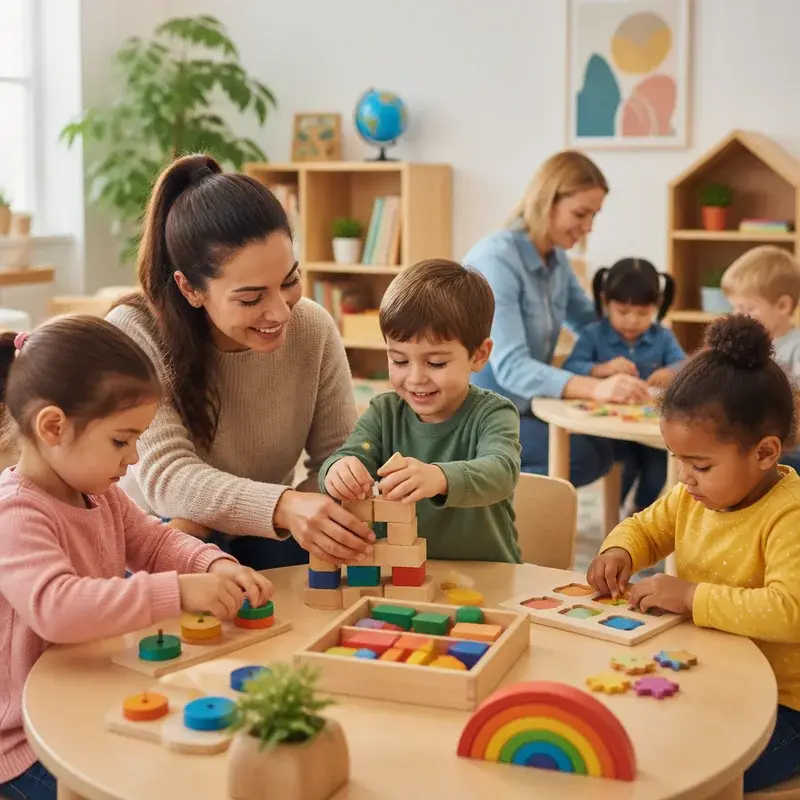
Discover sensitive periods, freedom, and the prepared environment.
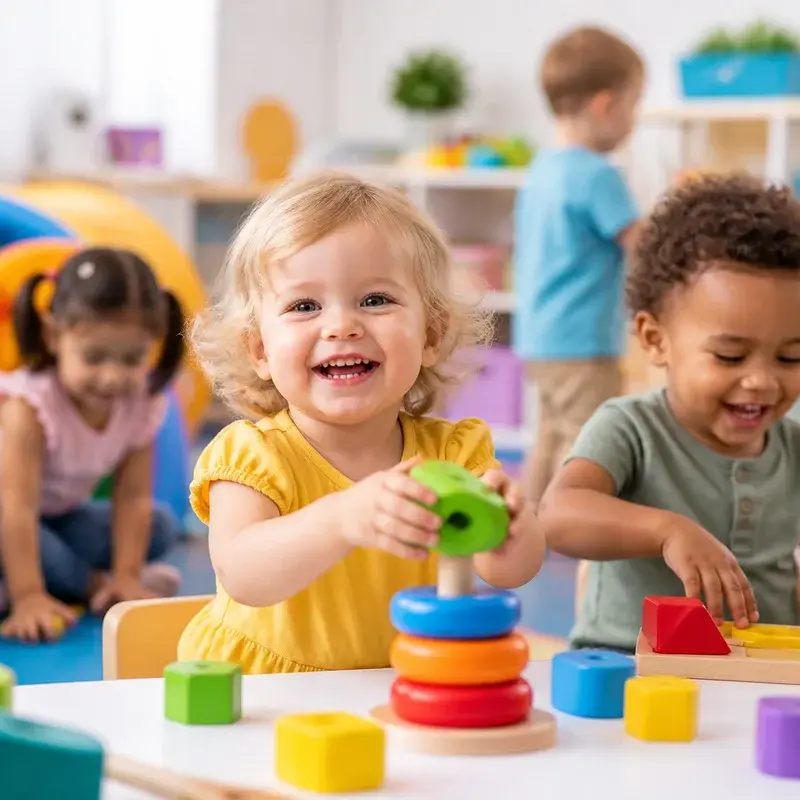
Preview the spaces and natural grounds.
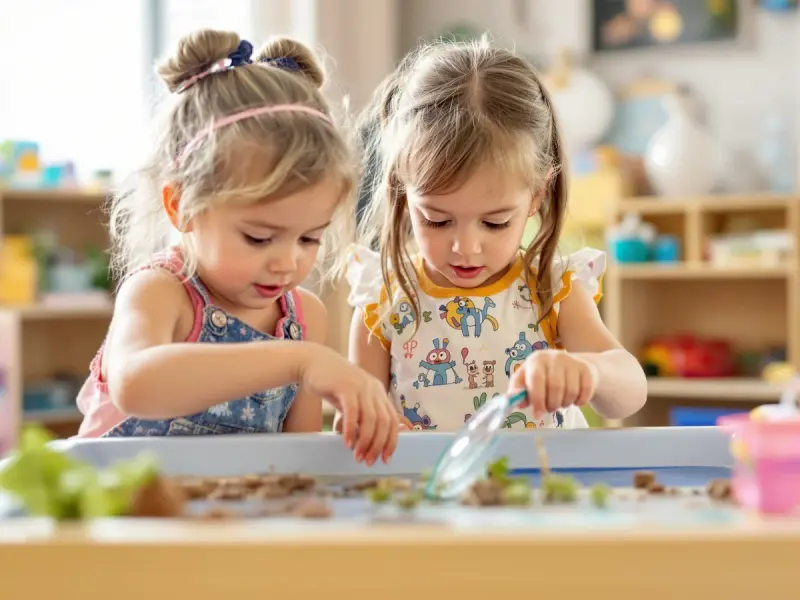
Ask questions or begin the enrollment conversation.