
Our Montessori Method
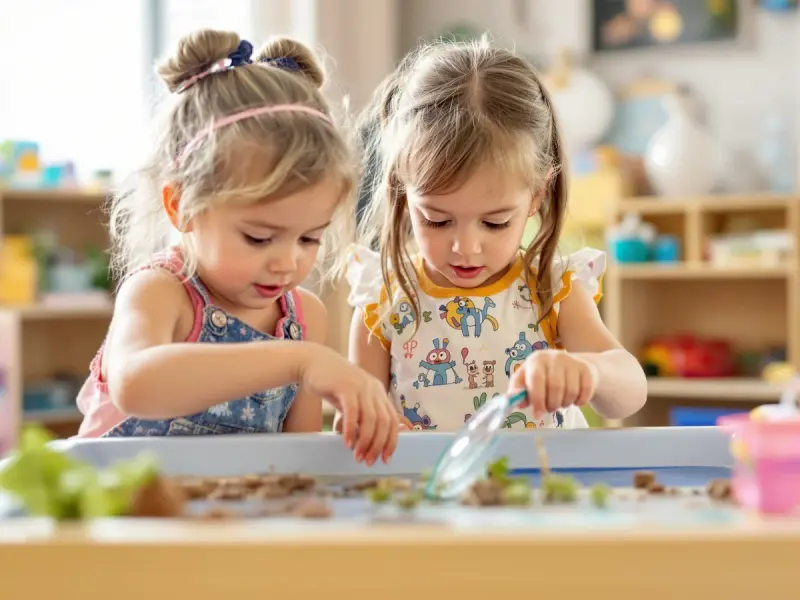
Explore the principles Dr. Maria Montessori developed and how they guide learning in our school.
Pick the monthly plan that fits. Your website build is included — we'll take it from there.
We run your website for you.
We run your front desk for you.
We run your front office for you.
You'll be taken to secure card checkout (Stripe) for your monthly plan — your website build is included. Texting switches on once the carriers approve your registration, usually 1–2 weeks. See everything in each plan →
Online checkout isn't available right now, so we'll reach out shortly with your secure payment link and launch timeline.
Your full site build is underway. Watch your email for your owner-portal invite and launch timeline — we'll take it from here.
Visit The Montessori School of Hamilton and come see what sets us apart. A personal tour gives you unhurried time to explore our school, ask real questions, and picture your child here. Schedule a tour today—please RSVP so we can welcome you properly.

Dr. Maria Montessori wrote, “The greatness of the human personality begins at the hour of birth” (The Absorbent Mind, p. 4). She considered the period of childhood to be an entity in itself, not just a preparation for adulthood—a truth that becomes visible in the fundamental differences between a child and an adult, especially in the way the child learns. The child has what Dr. Montessori called an absorbent mind. During the first six years of life, the child unconsciously soaks up information from the environment at a rapid rate. This learning process is unique to the young child. In the first phase, from birth to three, conscious learning has not yet emerged. Language, for example, is acquired without effort, spontaneously, literally sinking in. The same principle, though less obvious, applies to the child’s absorption of social and cultural norms. In the second phase, from three to six, conscious learning begins to appear while the mind is still absorbent. The child starts to ask questions of the “why” and “how” kind, and new skills are rapidly and easily acquired without much effort or stress. Dr. Montessori believed the impressions made on the mind early in life have a profound impact on future development. The years between three and six are the prime time for laying an academic foundation and, most importantly, for learning social and cultural existence. Montessori uses these tender, ripe years to teach good values and morals and to prepare each child to take their place in society.
Explore the principles Dr. Maria Montessori developed and how they guide learning in our school.
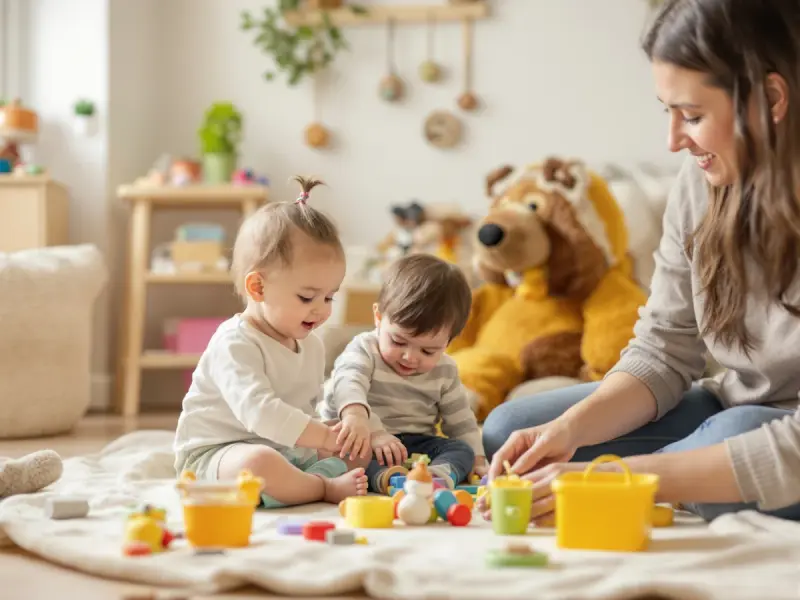
Learn why the classroom is carefully ordered to invite concentration, independence, and discovery.

Find practical ways to understand and support your child’s Montessori journey at home and at school.
Beginning French for Preschoolers: A Montessori Handbook. Hemet, CA: Education System Publisher.
Montessori Class Management. Dallas: Albanesi Educational Center.
I Wonder What’s Out There: A Vision of the Universe for Primary Classes. Hollidaysburg, PA: Parent Child Press.
“The Growth of the Montessori Movement in the U.S.: 1909-1970?” (an unpublished doctoral dissertation for New York University, available through University Microfilms International, 300 North Zeeb Road, Ann Arbor, Michigan 48106.)
Maria Montessori: A Centennial Anthology. AMI (out of print).
On the Historical Background of the Montessori-Piaget Relations. Amsterdam: AMI.
How to Raise a Brighter Child: The Case for Early Learning. Rev. ed. New York: Pocket Books.
Godly Play: An Imaginative Approach to Religious Education. Augsburg Fortress Publishers.
A personal tour is the truest introduction to The Montessori School of Hamilton. Please RSVP so we can welcome you and answer your questions in person.
Schedule Your Tour